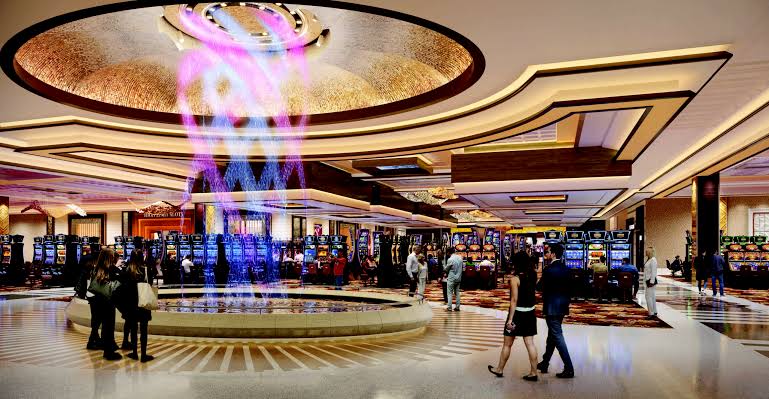
Resorts as Connected Experiences
A casino resort is more than a gaming venue attached to a hotel. It is a collection of connected environments that may include restaurants, entertainment spaces, accommodation, retail areas, spas, conference facilities, and outdoor attractions.
The design challenge is to make these different functions feel part of one destination. Visitors should be able to move between activities without feeling that each area belongs to an entirely separate building or brand.
Experience design helps bring these elements together by considering the complete visitor journey rather than focusing on individual rooms.
Creating a Consistent Identity
A resort’s identity may be expressed through architecture, materials, artwork, signage, landscaping, and interior decoration. These elements do not need to look identical everywhere, but they should share recognizable design principles.
For example, a resort inspired by a coastal setting might use natural textures, open views, soft colors, and landscape-focused spaces. A city-centered property could use stronger geometric forms, dramatic lighting, and references to local architecture.
The aim is to create a recognizable atmosphere while allowing restaurants, entertainment venues, and guest rooms to meet their different practical needs.
Movement Between Different Activities
Visitors often move through several parts of a resort during one stay. They may arrive at the lobby, check into a room, visit a restaurant, attend a performance, and later return to their accommodation.
Each transition affects the overall experience. Long walking distances, unclear signs, crowded corridors, and confusing lifts can make an otherwise attractive property frustrating to navigate.
Designers can improve circulation through clear sightlines, recognizable landmarks, accessible routes, and logical connections between major facilities. Seating and resting areas also matter, particularly in large properties where visitors may spend several hours moving around.
Hospitality and Sensory Design
Lighting, acoustics, temperature, furniture, and material choices influence how comfortable a space feels. A restaurant may need a different acoustic environment from a performance venue, while a hotel corridor benefits from clear lighting and straightforward navigation.
Good design considers these differences without losing the overall identity of the resort. It also recognizes that sensory preferences vary. Not every visitor wants loud music, intense lighting, or crowded public areas, so quieter spaces and clearly marked facilities can improve the experience.
Designing for More Than Appearance
Experience design also includes practical details such as accessibility, service information, cleanliness, and the clarity of booking or check-in processes. These elements may be less visually dramatic than a grand lobby, but they have a direct effect on visitors’ impressions.
A successful resort experience emerges when the physical environment, services, and transitions work together. The gaming floor may be one attraction, but the wider destination is shaped by everything surrounding it.
One thought on “Beyond Gaming Floors: The Experience Design Behind Casino Resorts”