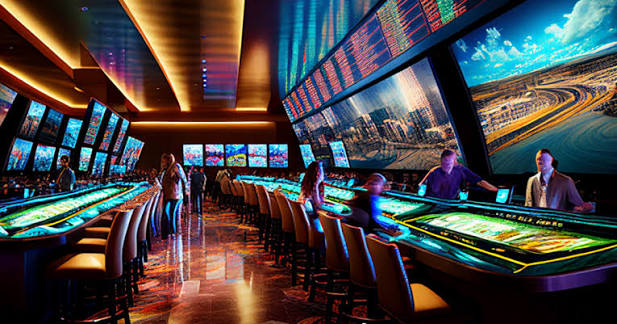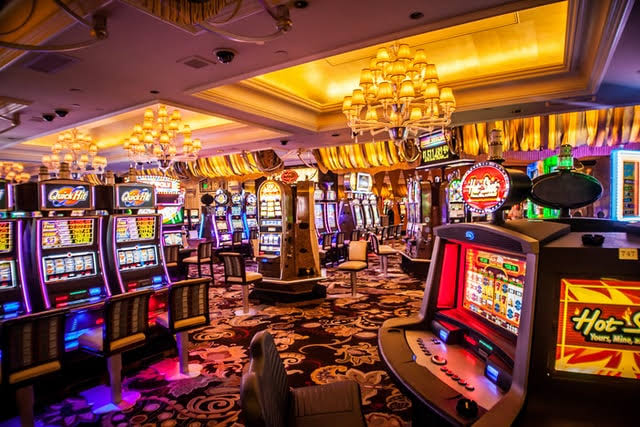
A casino resort is experienced through more than its architecture and visual design. Sound, light, and movement all influence how visitors understand a space. The gentle noise of a lounge, the energy of a gaming floor, and the warmth of a well-lit corridor can create very different impressions, even when these areas sit only a short distance apart.
When sound and lighting are designed together, they can help make a large resort easier to navigate. Visitors can recognize transitions between spaces, identify important routes, and understand where activity is concentrated. For designers, the challenge is creating a lively atmosphere without overwhelming guests or making the environment difficult to read.
Ambient sound and directional lighting are especially useful because they can establish spatial boundaries without relying entirely on walls, signs, or physical barriers.
Sound creates an invisible map of the resort
People often use sound to understand their surroundings without consciously thinking about it. A quiet corridor suggests a different experience from a busy restaurant, while distant music can signal that an entertainment venue is nearby.
Casino resorts contain many overlapping sound sources, including conversations, gaming machines, announcements, music, kitchen activity, and mechanical systems. Without careful planning, these sounds can blend into an exhausting layer of background noise.
Ambient sound design begins by deciding what each area should feel like. A lively gaming floor may support a higher level of activity, while a hotel corridor or premium lounge benefits from a calmer acoustic environment. Restaurants and performance spaces require their own approach based on how people use them.
The goal is not to eliminate sound. A completely silent public space can feel unnatural, particularly in an environment designed for social activity. Instead, designers can control how sound travels, where it becomes noticeable, and which sources deserve attention.
Acoustic materials help shape this experience. Upholstered furniture, ceiling treatments, wall panels, and carefully selected floor finishes can reduce unwanted reflections. Partitions and enclosed service areas can also limit the spread of noise from busy locations into quieter zones.
A useful design exercise is to imagine a visitor walking from the hotel lobby toward the gaming floor. The soundscape might gradually become more energetic as the person approaches the main activity area. If the change is controlled, the visitor can sense the transition before reaching the entrance.
Directional lighting makes movement easier to understand
Lighting can do more than illuminate a route. It can help visitors recognize where to walk, where to pause, and which areas deserve attention.
Directional lighting uses the position, angle, brightness, and distribution of light to emphasize selected paths or architectural features. A line of ceiling lights might reinforce a main corridor, while wall lighting could make a passage feel more defined. A softly illuminated architectural feature at the end of a walkway can act as a visual destination.
The effect depends on consistency. If every corridor, doorway, display, and decorative object competes for attention, visitors may struggle to identify the most important visual cues. A clear hierarchy is more effective: primary routes should be easy to recognize, while secondary features can remain quieter.
For example, a resort might use a continuous lighting pattern along a main pedestrian corridor connecting the lobby with dining and entertainment areas. At intersections, brighter vertical elements or distinctive ceiling details could help visitors recognize the change in direction.
Lighting levels should remain comfortable and appropriate to the surrounding activities. Strong contrasts can be visually dramatic, but abrupt changes between bright and dark areas may make navigation harder. Glare, reflections, and poorly lit steps also need attention.
Directional lighting should support safe circulation and accessible wayfinding. It must not replace required emergency signs, exit lighting, or other safety systems.
Bringing sound and light together
Sound and lighting become more effective when they support the same spatial message. If a corridor is intended to feel calm and lead toward a quiet lounge, its acoustic environment and lighting should reinforce that purpose. If a visitor is approaching a lively entertainment venue, a gradual increase in activity and a more expressive lighting scheme may help communicate the change.
This does not mean every light should react to music or every sound should match a color scheme. Overly synchronized effects can make an environment feel artificial and tiring. In many cases, subtle coordination is enough.
Imagine a visitor moving through a broad resort concourse. The main walkway is marked by a consistent ceiling-light pattern, while seating areas have softer, localized illumination. Sound from a nearby performance space becomes slightly more noticeable as the visitor approaches its entrance. Together, these cues help establish the destination without requiring excessive signs.
Digital systems can make this coordination more adaptable. Programmable lighting can support different event settings, while sound zones can help contain audio within designated areas. However, automated systems need sensible limits. Sudden changes in brightness, volume, or color can distract guests rather than guide them.
The most effective environment uses sound and light to provide information gradually. Visitors should be able to understand the space without feeling that the building is constantly trying to attract their attention.
Managing noise in busy gaming environments
Gaming floors present particular acoustic challenges because many sound sources operate at once. Music, conversations, electronic effects, and movement can combine into a dense sound field. Even when individual sources seem reasonable, their combined effect may become tiring.
A practical starting point is to map the main sources of sound and identify where they overlap. Designers can then consider acoustic absorption, speaker placement, sound zoning, and the distance between louder activities and quieter seating areas.
Directional speakers may help keep selected audio within a defined zone, although their performance depends on room geometry and equipment placement. Acoustic screens can reduce some direct sound transmission, while ceiling treatments may limit reverberation. These measures work best as part of an overall strategy rather than as isolated fixes.
Sound levels should also reflect the purpose of each area. A performance venue may require a more energetic sound environment, while a dining area should allow conversation without excessive effort. Hotel rooms and relaxation spaces need greater protection from external noise.
Regular testing is important because a design that works in an empty building may behave differently when the resort is full. Sound checks during realistic operating conditions can reveal unwanted echoes, overlapping announcements, or areas where noise travels farther than expected.
Using lighting corridors to balance atmosphere and orientation
Casino resorts often use distinctive lighting to create atmosphere, but decorative effects should not make movement confusing. Visitors need to recognize the difference between a primary route, a seating area, a gaming zone, and a service corridor.
A lighting corridor can establish this distinction through repeated visual cues. Consistent fixtures, illuminated ceiling details, or a restrained line of light can reinforce the direction of travel. At a junction, the pattern may change slightly to indicate a new area.
Designers should avoid making every route visually identical. If all corridors have the same appearance, guests may find it difficult to remember where they are. Carefully selected landmarks, changes in ceiling form, artwork, and controlled lighting variations can make each major area easier to recognize.
Color can contribute to this system, but it should not carry the entire navigation task. Color perception varies, and some visitors may have difficulty distinguishing certain hues. Contrast, shape, signage, and accessible wayfinding should work together.
The lighting plan should also account for different times of day and changing activity levels. A resort may need a bright, welcoming lobby during daytime hours and a more atmospheric setting in the evening. These changes should preserve clear routes and avoid sudden transitions that make the environment harder to navigate.
Conclusion
Ambient sound and directional lighting help casino resorts shape how visitors perceive and move through large environments. Sound can communicate the character of a space, while lighting can make important routes and destinations easier to recognize.
Neither system should be designed in isolation. Acoustic planning, consistent lighting cues, safe circulation, and thoughtful transitions create a more coherent experience. When these elements work together, the resort can feel lively without becoming overwhelming and visually distinctive without sacrificing comfort or clarity.
FAQs
What is ambient sound design in a casino resort?
Ambient sound design is the planning of background audio and acoustic conditions to suit different spaces. It considers sound sources, volume, reverberation, and how noise moves between gaming, dining, entertainment, and relaxation areas.
How does directional lighting help visitors move through a resort?
Directional lighting highlights primary routes, entrances, junctions, and architectural landmarks. When used consistently with signs and other navigation cues, it can help visitors understand the layout more easily.
Can sound and lighting be coordinated in casino architecture?
Yes. Sound zones and lighting schemes can reinforce transitions between areas. The coordination should remain subtle and comfortable rather than relying on constant flashing, abrupt changes, or excessive volume.
How can casino resorts reduce noise without losing atmosphere?
Resorts can combine acoustic absorption, thoughtful speaker placement, sound zoning, and quieter areas. The aim is to control unwanted noise while preserving the energy and social character of active spaces.
Why is lighting safety important in gaming corridors?
Guests need to see walking routes, changes in floor level, entrances, and signs clearly. Decorative lighting should support the atmosphere without creating glare, confusing contrasts, or obstacles to safe movement.