Modern travelers often look for more than a comfortable room and a few activities during their stay. They want places that feel connected to their surroundings, offer a variety of experiences, and give them something worth remembering after they leave. Resort destinations are responding by bringing architecture, entertainment, art, dining, and gaming together within a more unified environment.
This shift changes the way resort spaces are designed. Instead of treating every attraction as a separate destination, designers can create a connected experience in which one area naturally leads into another. Local art can influence the atmosphere, entertainment can bring public spaces to life, and gaming areas can become part of a larger hospitality setting.
The challenge is making these different elements feel like parts of the same place rather than unrelated attractions sharing one building.
Creating a resort identity through local culture
A memorable resort often has a clear sense of identity. Visitors should be able to recognize something about its location through the architecture, materials, artwork, landscape, or overall atmosphere. Local culture provides a rich source of inspiration, but it needs to be approached with care.
Designers can work with regional artists, craftspeople, and cultural consultants to develop artwork and architectural details that reflect the destination. This might include locally made ceramics, contemporary interpretations of traditional patterns, photography documenting the surrounding area, or sculptures inspired by the local landscape.
The goal is not to fill every wall with decorative references. A few meaningful elements can have more impact than a large collection of objects selected simply because they look regional.
For example, a coastal resort might use artwork inspired by maritime history, locally crafted wood features, and a color palette drawn from the surrounding landscape. A destination in a desert region might take inspiration from natural stone, changing light, and regional craft traditions.
These choices give the resort a recognizable character while creating opportunities for visitors to discover something about the place they are visiting.
Authenticity matters. Cultural references should not be reduced to stereotypes or used without considering their meaning. Collaborating with local creators can produce more thoughtful results and help ensure that artistic representation benefits the community.
Connecting entertainment through shared public spaces
Entertainment areas often become the social center of a resort. Restaurants, lounges, performance venues, bars, galleries, and event spaces can attract different groups throughout the day. When these destinations are connected through well-designed public areas, the resort feels more active and easier to explore.
The transition between spaces is important. A visitor might finish dinner, discover a live performance in a nearby lounge, and then continue toward a gallery or gaming area. That journey should feel intuitive rather than confusing.
Architecture can support this movement through visible landmarks, clear entrances, consistent wayfinding, and changes in lighting or ceiling design. A distinctive staircase, an art installation, or a central courtyard can help visitors understand where they are and what lies nearby.
However, not every activity should be equally visible or audible from every location. A lively entertainment venue may benefit from a prominent entrance, while a quiet restaurant or wellness space needs a calmer approach. Good planning allows these different experiences to coexist without creating unnecessary conflict.
Shared spaces can also encourage visitors to spend time together without requiring them to participate in the same activity. Comfortable seating, shaded terraces, public art, and flexible gathering areas offer places to pause between scheduled experiences.
For modern resort design, these in-between spaces are just as important as the attractions themselves. They create room for spontaneous discoveries and make the destination feel less like a collection of individual businesses.
Integrating gaming without letting it dominate
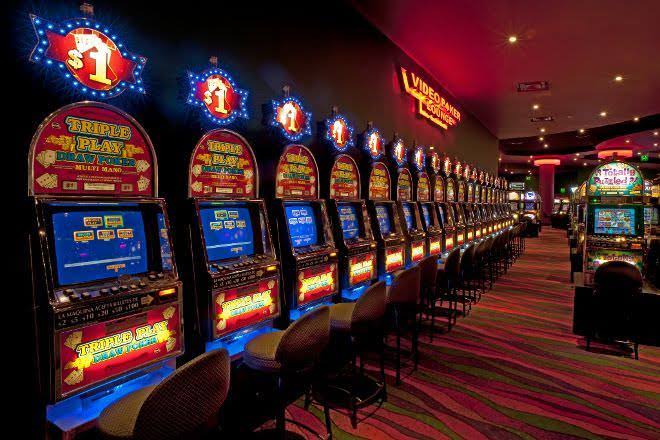
Gaming can be an important part of a resort experience, but it does not need to define every public space. A balanced destination gives guests access to gaming while maintaining a broader identity built around hospitality, entertainment, food, art, and recreation.
The relationship between gaming and the rest of the resort depends on the audience and the overall concept. Some properties may position the gaming floor as a central attraction, while others may place it within a larger entertainment complex.
In either case, the transition should be deliberate. A gaming area might use a more focused lighting scheme, richer materials, or a distinct acoustic environment while still reflecting the resort’s wider design language. Repeating selected colors, textures, or artistic motifs can help connect the spaces visually.
Wayfinding also matters. Visitors should be able to find gaming facilities without being directed through confusing or uncomfortable routes. At the same time, guests who are visiting for dining, performances, shopping, or relaxation should be able to navigate the property without feeling that gaming is the only activity on offer.
Clear separation may also be appropriate where age restrictions, access rules, or other legal requirements apply. Designers should account for those requirements early rather than attempting to solve them after the overall layout has been established.
The strongest approach is to treat gaming as one part of a larger destination. That makes the property more adaptable to different travel styles and helps create a more balanced experience for groups whose members have different interests.
Using art and digital design to create memorable moments
Art can connect the resort’s different environments and give visitors a reason to pause. Large-scale installations, interactive displays, sculptural lighting, and digital artworks can act as landmarks that help people remember particular areas.
Digital art offers additional flexibility because it can respond to time, movement, or the surrounding environment. A lobby installation might change throughout the day, while a projection in an event space could reflect a seasonal theme or a performance.
Still, technology should serve a clear purpose. A display that constantly changes color or competes with nearby signage may become distracting rather than memorable. The best installations consider viewing distance, brightness, sound, accessibility, and how visitors will move around them.
Local artists can also contribute to digital experiences, combining regional imagery or storytelling with contemporary techniques. This creates a bridge between cultural identity and modern design without relying entirely on traditional decorative forms.
Art should be integrated into the architecture from the beginning whenever possible. Planning for power, lighting, sightlines, maintenance, and visitor circulation allows installations to feel like natural parts of the environment rather than additions placed wherever space remains.
Designing for travelers with different expectations
Modern resorts serve a wide range of visitors. Some arrive for entertainment and nightlife, others for family activities, business events, dining, or relaxation. A successful design recognizes that these guests may have different needs at different times.
Flexible spaces help accommodate this variety. A lounge may support informal meetings during the day and live music in the evening. An outdoor plaza might host an art market, a seasonal event, or a quiet afternoon gathering, depending on the schedule.
Clear wayfinding helps guests make their own choices, while comfortable seating and quieter routes provide alternatives to busy entertainment areas. Accessibility should be considered throughout the property, including public spaces, event venues, gaming areas, and transitions between indoor and outdoor environments.
Resort design can also benefit from observing how guests actually use the space. Visitor feedback, circulation studies, and operational reviews can reveal where people gather, which routes are confusing, and which areas feel underused.
These observations help designers improve the experience without assuming every guest wants the same thing.
Conclusion
A modern resort becomes more memorable when entertainment, local art, and gaming are connected by a clear design identity. Cultural details give the destination character, shared spaces encourage discovery, and thoughtful transitions help different activities coexist comfortably.
The objective is not to make every area look identical. It is to create a sense of continuity while allowing each experience to have its own atmosphere. When architecture, art, and hospitality work together, a resort can feel like a distinctive destination rather than a collection of separate attractions.
FAQs
Why is local art important in resort design?
Local art can give a resort a stronger sense of place, introduce visitors to regional creativity, and make the environment more distinctive. Collaboration with local artists also supports more authentic cultural representation.
How can resorts connect gaming and entertainment areas?
Consistent design elements, clear wayfinding, carefully planned circulation, and deliberate transitions can connect gaming with restaurants, lounges, performance venues, and other attractions.
What role does digital art play in modern resorts?
Digital art can create visual landmarks, support events, and introduce changing experiences. Its brightness, movement, sound, and placement should be carefully controlled so it enhances rather than overwhelms the environment.
How can a resort appeal to travelers with different interests?
A mix of flexible public spaces, varied activities, accessible routes, quieter areas, and clear navigation allows guests to choose experiences that suit their preferences.