
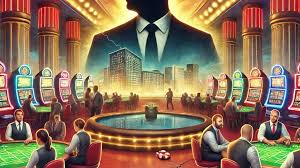
For many years, the visual identity of casinos followed a predictable path. Bright reds, gold tones, flashing lights, and bold symbols became almost universal. Whether someone visited Las Vegas, Macau, or Monte Carlo, the core visual language felt familiar. This consistency helped build recognition, but over time it also created repetition.
Today, a quiet transformation is taking place. Designers are moving away from rigid visual formulas and exploring new ways to shape the casino experience. The result is not a sudden change, but a gradual evolution where atmosphere, psychology, and modern design trends come together.
This shift is not only about aesthetics. It is about how people feel inside a space.
Moving Beyond Bold and Predictable Visuals
Traditional casino imagery was built on high stimulation. Strong contrasts, flashing lights, and repeating icons like cards or chips were designed to capture attention instantly. This approach worked well in crowded environments where competition for attention was high.
However, modern research in environmental design shows that overly intense visuals can lead to cognitive fatigue. A study often cited in design psychology suggests that environments with excessive visual stimulation can reduce attention span and increase mental exhaustion over time.
Because of this, newer casino spaces are experimenting with:
- Softer color palettes
- Natural lighting elements
- Reduced visual clutter
- More open spatial layouts
This does not remove excitement. Instead, it spreads it more evenly across the experience, allowing visitors to stay engaged longer without feeling overwhelmed.
A traveler once shared in an online forum:
“Older casinos feel loud even when they’re quiet. The newer ones feel like you can actually breathe.”
This shift reflects a deeper understanding of human comfort.
Introducing Complexity Through Simplicity
Modern casino design is beginning to embrace a principle widely used in User Experience Design: simple structures can create complex experiences.
Instead of overwhelming visitors with visual information, designers are layering subtle elements:
- Gradual lighting transitions
- Soft animations on digital screens
- Minimalist icon systems
- Gentle sound integration
A 2023 design trend report noted that over 60 percent of modern hospitality spaces are shifting toward minimalist visual frameworks while maintaining rich sensory experiences.
This approach creates a slower, more immersive interaction. Instead of grabbing attention instantly, the environment reveals itself over time.
One designer quoted in an industry interview explained:
“We’re no longer designing for the first five seconds. We’re designing for the next two hours.”
Blending Digital and Physical Visual Worlds
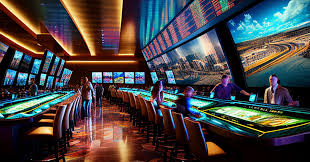
One of the most important changes in casino imagery is the blending of physical architecture with digital elements. This transformation is influenced by advancements in Digital Display Technology.
Instead of static environments, modern casinos are becoming adaptive spaces where:
- LED walls change themes throughout the day
- Ceilings simulate skies or abstract motion
- Floors and pathways subtly guide movement
- Interactive displays respond to presence
In places like Singapore and Macau, large-scale resorts have already adopted these ideas, creating environments that feel alive and responsive.
A visitor described the experience like this:
“It didn’t feel like walking through a building. It felt like walking through a living system.”
This blending allows casinos to move beyond fixed imagery into something more fluid and evolving.
Shifting Focus from Symbols to Experience
Traditionally, casino imagery relied heavily on recognizable symbols. Cards, dice, roulette wheels, and jackpots were used repeatedly because they were easy to understand.
Today, that reliance is decreasing.
Designers are shifting toward experience-first environments, where meaning is created through feeling rather than symbols. This approach aligns with principles from Environmental Psychology.
Instead of asking, “What should people see?” the question becomes:
“What should people feel?”
This leads to environments that focus on:
- Comfort and flow
- Emotional tone
- Spatial rhythm
- Personal experience
A frequent traveler commented in a review:
“I didn’t notice any cards or chips in the design, but I still knew exactly where I was. It just felt right.”
This shows how powerful atmosphere can be when it replaces direct symbolism.
Real World Examples of the Shift
Some of the most well-known casino destinations are already embracing this evolution.
In Las Vegas, newer resorts are incorporating art installations, natural textures, and calm lighting zones. In Macau, large integrated resorts use immersive digital architecture to create constantly changing environments.
According to industry reports, over 70 percent of new casino developments since 2020 include major design elements focused on atmosphere rather than traditional gaming imagery.
This is not a trend. It is a structural shift.
Why This Change Matters
The transformation of casino imagery is not only about design trends. It reflects a deeper understanding of how people interact with spaces.
Modern visitors are not just looking for excitement. They are looking for:
- Comfort
- immersion
- flexibility
- emotional connection
Traditional imagery delivered intensity. Modern imagery delivers experience.
This change also aligns with broader shifts in hospitality and entertainment design, where environments are expected to support longer stays and more varied activities beyond gaming.
The Quiet Evolution of Casino Design
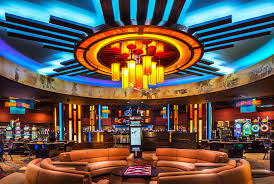
There is a simple truth behind all of this. Visual design is not fixed. It grows with the people who experience it.
The classic casino look will always remain part of the industry’s identity, but it is no longer the only way to create engagement. New approaches are expanding what a casino can feel like, allowing spaces to become more adaptable, expressive, and human-centered.
If someone takes a moment to notice these changes, they may begin to see how deeply design shapes their experience, not only through what is visible, but through how it makes them feel.
And in the end, breaking the structure of traditional casino imagery is not about replacing the past. It is about expanding it, creating environments that are quieter, deeper, and more connected to the way people actually move, think, and experience the world today.







Leave a Reply