
There is something quietly fascinating about the way random outcomes appear in a casino environment, because they rarely follow a smooth or predictable path. Instead of forming a clean pattern, results unfold in uneven sequences, with wins, losses, and unexpected turns appearing in ways that feel irregular and sometimes confusing at first.
A player may expect balance in the short term, yet what they experience is variation. That variation can feel uncomfortable in the beginning, but over time it begins to reveal a different kind of beauty, one that comes not from order, but from unpredictability.
When a person spends more time observing these outcomes, they often begin to notice that the lack of perfect structure keeps the experience alive. Each moment feels new. Each result feels separate. The mind cannot settle into certainty, and because of that, it remains engaged. What once felt chaotic starts to feel natural.
Imperfection Creates a Sense of Real Movement
In many parts of life, people are used to patterns that feel balanced and predictable. These patterns create comfort because they allow the mind to anticipate what will happen next. But in systems driven by randomness, this balance does not appear in the short term.
This is explained through Probability Theory, where outcomes are only balanced over very long periods, not in small sequences. In short sessions, results naturally appear uneven.
This unevenness creates a feeling of real movement.
Instead of repeating in a simple loop, outcomes shift in ways that feel dynamic. A player does not see a clean rhythm, but a constantly changing sequence. This makes each result feel like a new event rather than part of a predictable cycle.
A player once described it like this:
“It never felt like it was repeating. Every result felt different.”
Because the mind cannot rely on prediction, it pays closer attention. This increased attention creates a deeper level of involvement.
Emotional Connection Through Uncertainty
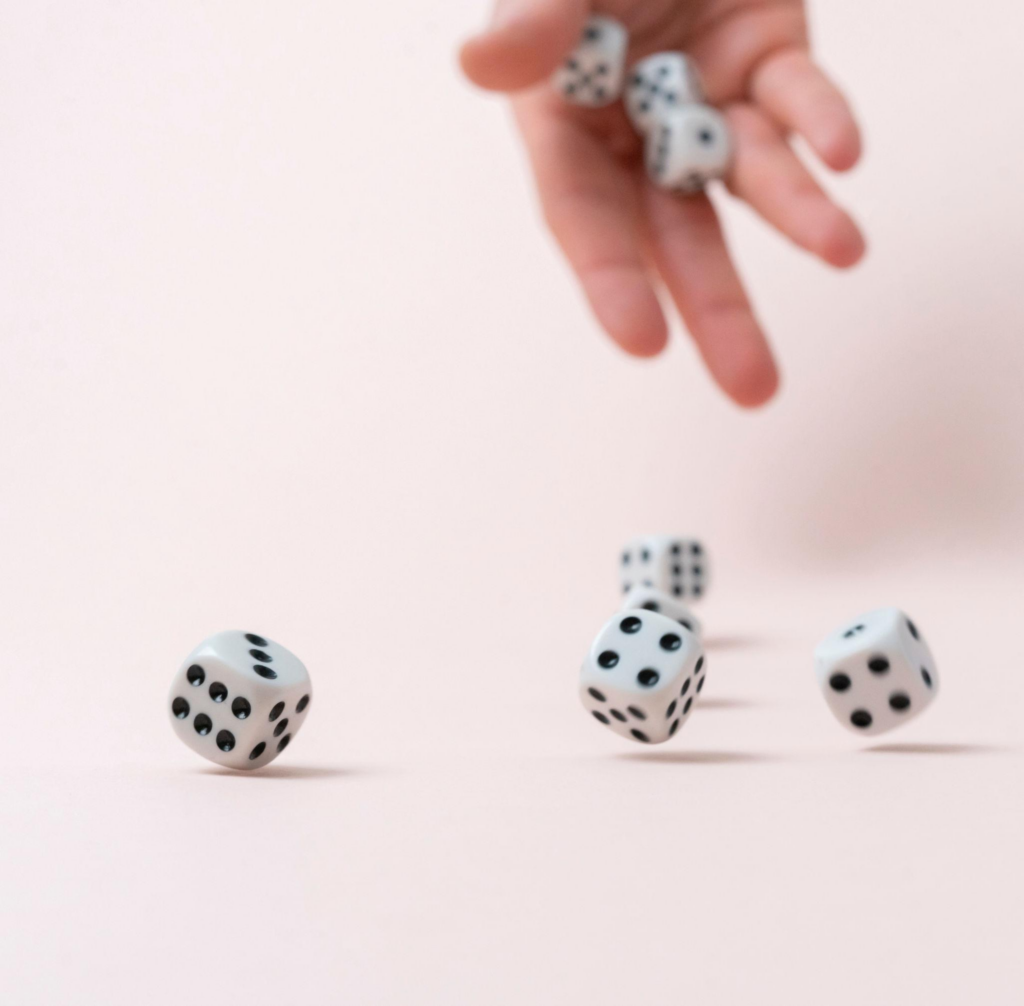
Another important part of this experience comes from emotion.
When outcomes are uncertain, emotions naturally become more active. A small win can feel more exciting because it was not expected. A loss can feel stronger because it interrupts anticipation. These emotional shifts create variation in feeling, not just in results.
This connects to ideas within Behavioral Psychology, where unpredictability is known to increase emotional response. The brain reacts more strongly to uncertain rewards than predictable ones.
In a perfectly predictable system, emotional responses would flatten. Nothing would feel surprising. But in a system shaped by randomness, emotions rise and fall with each outcome.
A player explained it simply:
“If I knew what was coming, it wouldn’t feel exciting.”
This emotional movement adds depth to the experience, making it feel more engaging and meaningful.
The Mind Searches for Patterns Even in Randomness
Even when outcomes are random, the human mind does not stop searching for patterns.
This tendency is part of Apophenia, where people naturally find connections and meaning in irregular data. A player might notice a short sequence of wins or losses and begin to interpret it as a trend.
These patterns may not be real in a mathematical sense, but they are real in the experience of the player.
They keep the mind active.
A player once said:
“It felt like something was forming, even if I knew it might not be.”
This search for meaning creates engagement. The player is not just observing outcomes, but interpreting them, thinking about them, and reacting to them.
Imperfection Prevents Predictability and Boredom
One of the most important roles of imperfection is that it prevents the experience from becoming predictable.
If outcomes followed a clear and repeating pattern, the player would quickly understand it. Once understood, the experience would lose its sense of discovery.
Random variation prevents this.
Each moment carries uncertainty. Each outcome has the potential to be different from the last. This keeps curiosity alive.
Studies in engagement behavior suggest that variable outcomes can increase attention and retention compared to fixed patterns, because the brain remains alert when it cannot predict what comes next.
A player described this effect clearly:
“It keeps you watching because you don’t know what’s coming.”
This constant sense of possibility is what keeps the experience fresh over time.

Random systems often look uneven in the short term, even though they balance out over long periods. This contrast is what creates the feeling of unpredictability.
The Difference Between Short Term Chaos and Long Term Balance
One of the biggest misunderstandings about randomness is the expectation of immediate balance.
In reality, balance appears only over large numbers of outcomes. In small samples, irregularity is normal.
For example, in a sequence of coin flips, it is common to see long runs of heads or tails, even though the overall probability remains equal. This is a natural property of random systems.
Understanding this helps explain why outcomes feel imperfect.
They are not designed to look balanced in the moment.
They are designed to be fair over time.
When Imperfection Becomes Appreciated

At first, this irregularity can feel confusing. The mind expects order, but sees variation.
Over time, however, perception begins to shift.
The player starts to accept that unpredictability is part of the system. Instead of resisting it, they begin to observe it.
A player described this shift:
“I stopped expecting it to make sense in the short term.”
This change in perspective allows the experience to feel smoother, even though the outcomes remain unpredictable.
The imperfection becomes something to watch, not something to question.
Awareness Changes the Experience
There is a simple and thoughtful truth behind all of this.
The beauty of random outcomes does not come from perfect balance, but from variation.
But this beauty is only visible when the player understands what they are seeing.
When a person becomes aware of how randomness works, they begin to notice:
- That uneven results are normal
- That short sequences do not reflect long-term patterns
- That unpredictability creates engagement
This awareness changes the experience. It removes confusion and replaces it with understanding.
Final Thought
Random game outcomes are not meant to feel perfectly balanced in every moment.
They are meant to move, shift, and vary in ways that keep the experience alive.
What may first appear as disorder is actually a natural expression of randomness.
Wins and losses do not arrive in clean patterns. They appear in uneven sequences that create surprise, emotion, and curiosity.
And in the end, the beauty of imperfection comes from this constant movement, where no moment feels exactly like the one before, and where each outcome carries a sense of possibility that keeps the experience engaging, dynamic, and endlessly open.









Leave a Reply