
There is a quiet but powerful way in which digital spaces communicate meaning without using words, and this becomes especially clear in environments where visuals carry most of the experience. In casino systems, where attention moves quickly between action, sound, and motion, the interface is not just a tool. It becomes a surface where feeling, rhythm, and perception meet.
Sometimes, this surface is not perfectly clean or balanced. Colors shift slightly. Motion feels a bit uneven. Layouts appear just a little off-center. At first, these distortions may seem like imperfections. But when they repeat and settle into the experience, they begin to feel intentional.
What once looked like a flaw starts to feel like expression.
This is where distortion becomes language.
When Imperfection Becomes a Visual Language
Traditional design often aims for clarity and precision. Clean lines. Perfect alignment. Smooth transitions. But when small distortions are introduced, something different begins to happen.
The interface starts to feel less mechanical and more human.
This idea connects closely to Human Computer Interaction, where designers explore not just usability, but emotional response. Small irregularities can create personality, turning an interface into something that feels alive rather than static.
The brain naturally searches for patterns. When it encounters repeated distortions, it does not reject them. Instead, it absorbs them.
Over time, the mind learns:
“This is how this system expresses itself.”
A user once described this shift in perception:
“At first it felt broken. Then it started to feel like style.”
This transition is important. It shows how quickly perception can change when something is repeated consistently.
Distortion and the Brain’s Pattern System
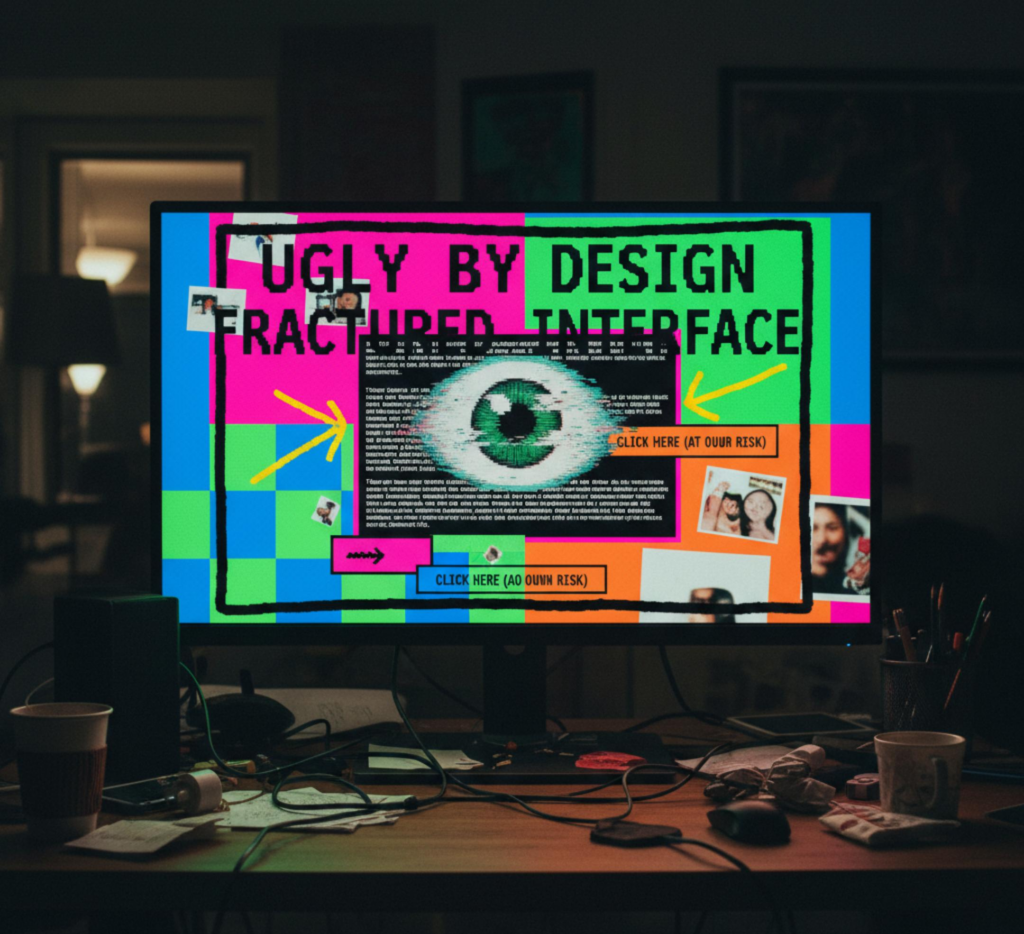
The human brain is built to organize chaos into structure. Through Pattern Recognition, it constantly reshapes its expectations based on repeated input.
When distortions appear again and again, they stop feeling random. They become predictable.
And predictability creates comfort.
Research in perception suggests that repeated visual patterns, even imperfect ones, are processed faster over time. This reduces cognitive effort and increases familiarity.
A player reflected this naturally:
“It looked strange at first, but after a while it just felt normal.”
This quiet adaptation allows distorted interfaces to become stable experiences, even when they are visually unusual.
Emotional Impact of Unusual Visual Forms
Distortion does more than change appearance. It changes feeling.
Small shifts in color, motion, or shape can create subtle emotional responses. A flicker might create tension. A color shift might create curiosity. A warped motion might create a sense of movement or instability.
These responses are not always conscious, but they are real.
In Cognitive Psychology, it is well understood that visual stimuli can influence mood and engagement without direct awareness. The brain reacts first, and understanding comes later.
In fast-paced environments like casinos, this matters even more.
Players are not analyzing the interface. They are feeling it.
A player once described it like this:
“I don’t know why, but it felt more interesting than a normal screen.”
That feeling is often the result of subtle visual variation.
Blending Art with Function
Distorted interfaces sit in an interesting space between usability and art.
They still perform their function. Buttons work. actions respond. outcomes are clear. But alongside this function, there is expression.
This idea is closely related to Digital Art, where imperfection and abstraction are used intentionally to create meaning.
In this context, the interface becomes more than a tool. It becomes an experience.
It carries identity.
Instead of being invisible, like many traditional interfaces aim to be, it becomes noticeable in a subtle way. Not distracting, but present.
A user described this difference clearly:
“It felt like the interface had its own personality.”
That sense of personality can make the experience more memorable.
Continuous Exposure Changes Perception
One of the most important processes behind this effect is exposure.
The more a player interacts with a distorted interface, the more natural it begins to feel. What was once unusual becomes expected.
This is tied to Perceptual Adaptation, where the brain adjusts to repeated stimuli over time.
This process happens slowly and quietly.
At first, the player notices the distortion. Then they accept it. Eventually, they stop seeing it as distortion at all.
It becomes the standard.
A player described this transition:
“After a while, I forgot it was even different.”
This shows how flexible perception can be in digital environments.
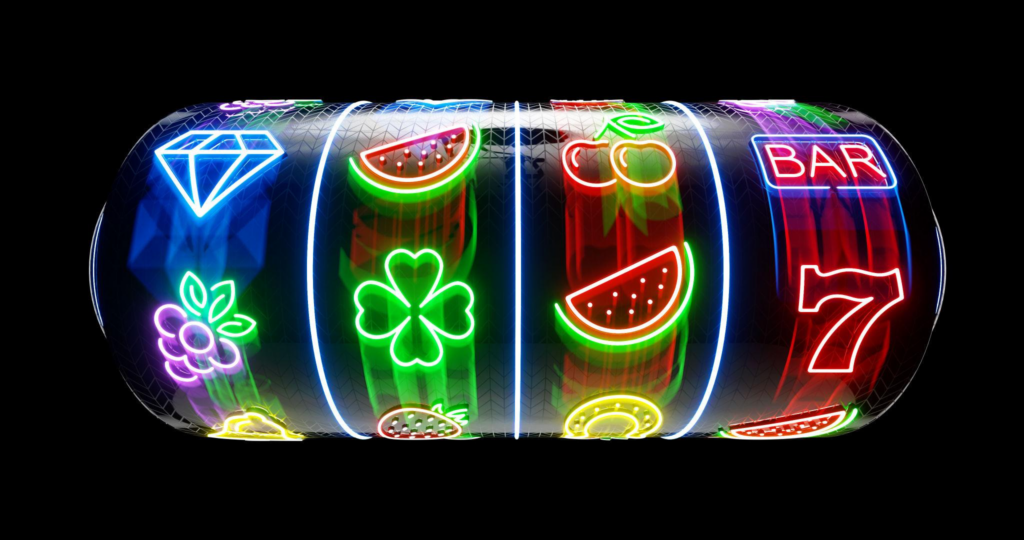
Distortion, when repeated and consistent, becomes part of the visual identity rather than a disruption.
Why Imperfection Can Strengthen Engagement
There is a common belief that perfection creates the best experience. But in many cases, slight imperfection creates something deeper.
Perfect systems can feel distant. Predictable. Controlled.
Imperfect systems feel active. Dynamic. Real.
This does not mean that errors should be large or disruptive. But small variations can create texture within the experience.
Studies in user engagement suggest that interfaces with subtle variation can increase perceived interest and memorability, even when usability remains the same.
A user captured this idea simply:
“It felt less like a machine and more like something happening.”
That feeling keeps attention engaged.
The Balance Between Expression and Clarity
It is important to understand that distortion works only when it does not interfere with function.
If an interface becomes too unclear, too chaotic, or too difficult to use, the experience breaks.
The balance is simple:
- Expression adds interest
- Clarity maintains usability
When both exist together, the interface becomes both functional and meaningful.
Awareness Changes the Experience
There is a simple and thoughtful truth behind all of this.
Distorted interfaces are not always mistakes. Sometimes, they become part of how a system communicates.
But this only works because the human mind adapts, accepts, and reshapes what it sees.
If a person becomes aware of this process, they begin to notice something deeper.
They may see:
- How repetition turns imperfection into familiarity
- How visuals shape emotion without explanation
- How design influences feeling as much as function
This awareness does not remove the experience. It reveals how it is built.
Final Thought
Digital systems do not need to be perfectly balanced to feel complete.
Sometimes, it is the small distortions, the slight irregularities, and the unexpected variations that give an interface its character.
They create texture. They create emotion. They create identity.
Over time, these elements stop feeling like errors and start feeling like expression.
And in the end, what remains is not just a system that works, but a space that feels alive — where visual form and human perception meet, shaping an experience that is not only usable, but memorable, expressive, and quietly powerful.







Leave a Reply